
Quiet Rules
Tauba Auerbach
Lecia Dole-Recio
Franziska Goes
Cynthia Hawkins
Angela Heisch
Christopher Iseri
Justin Margitich
Allison Miller
Dianna Molzan
Alex Olson
Zak Prekop
Richard Tinkler
July 11 - August 22, 2026
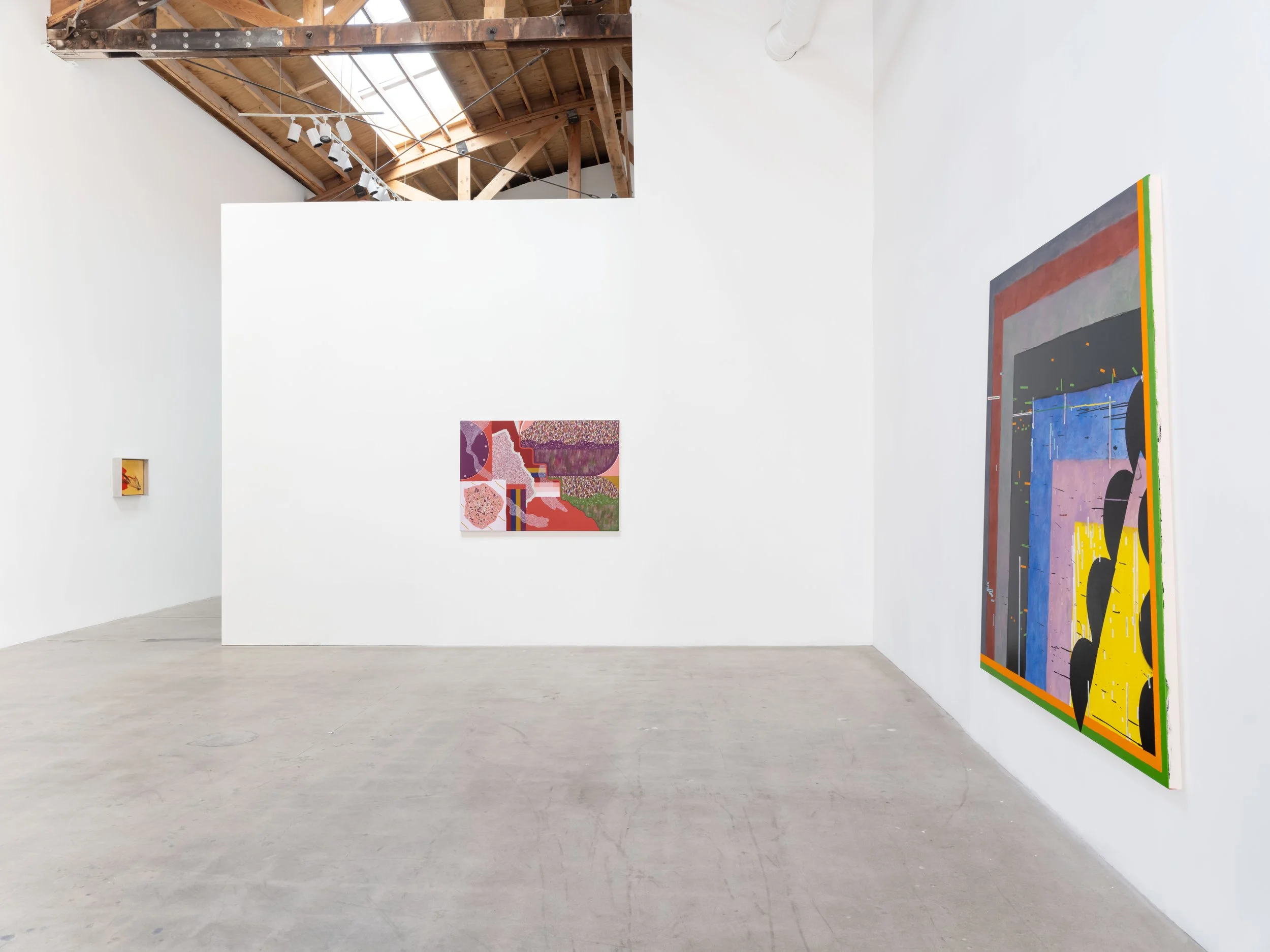
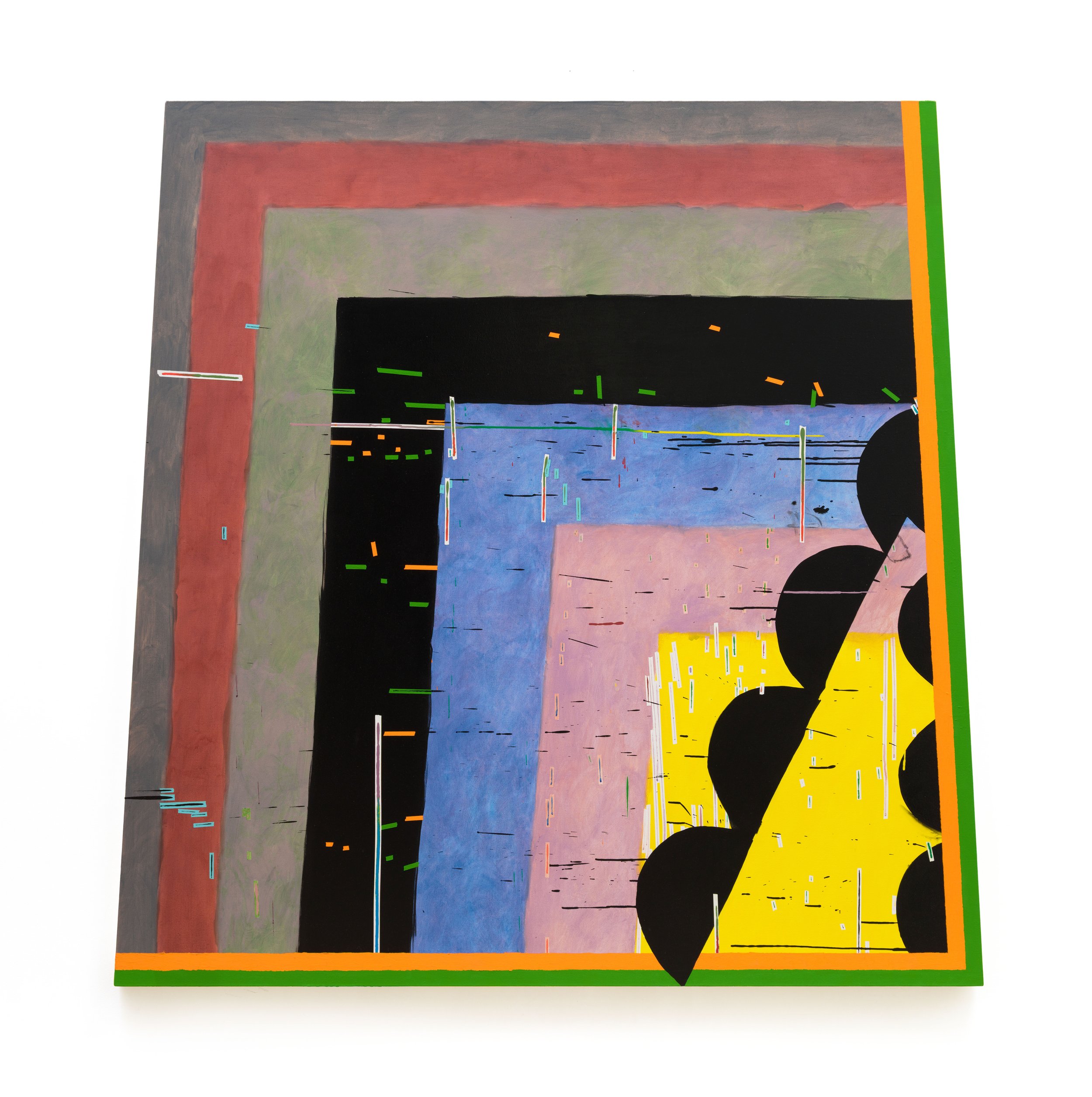
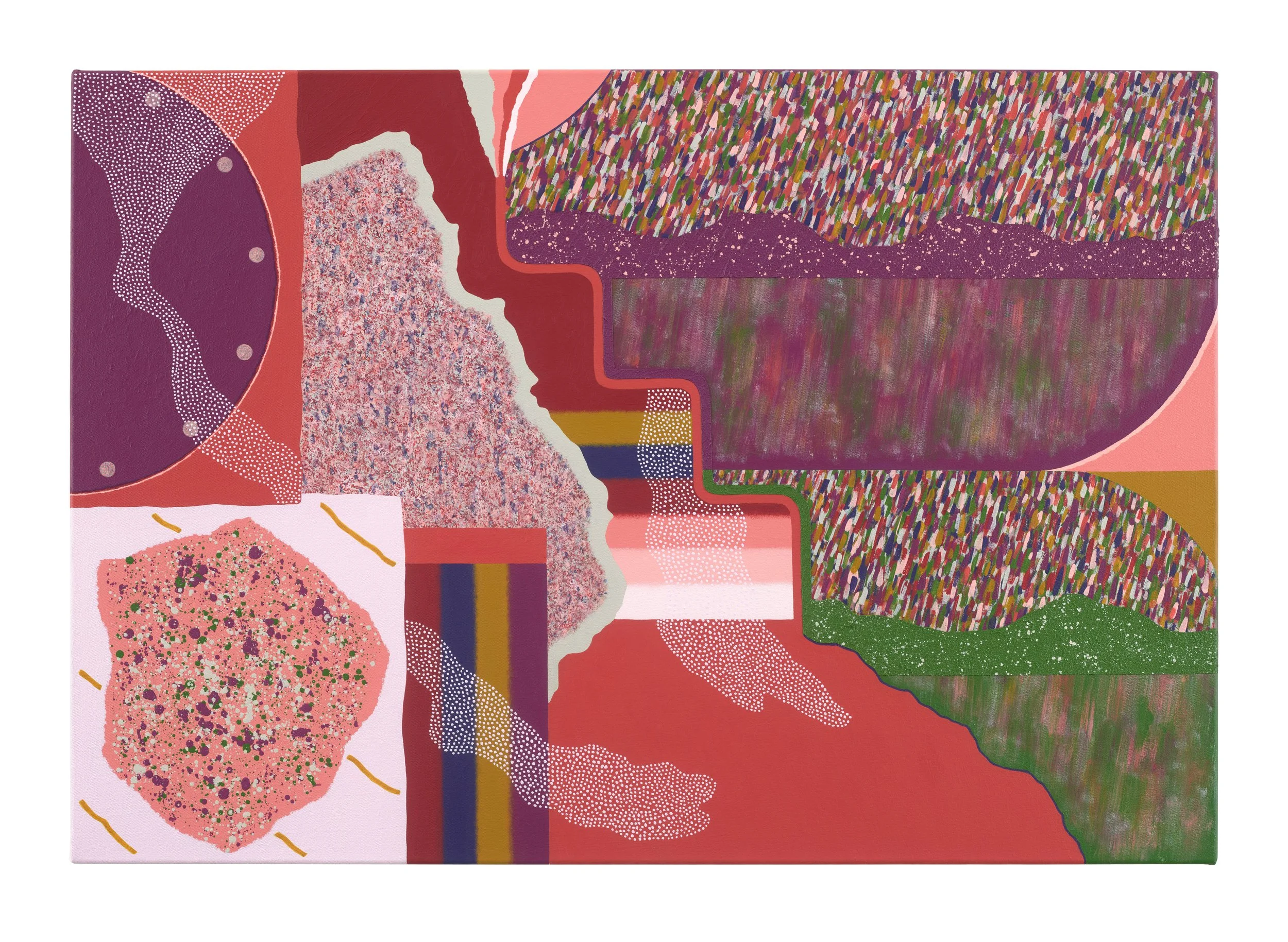
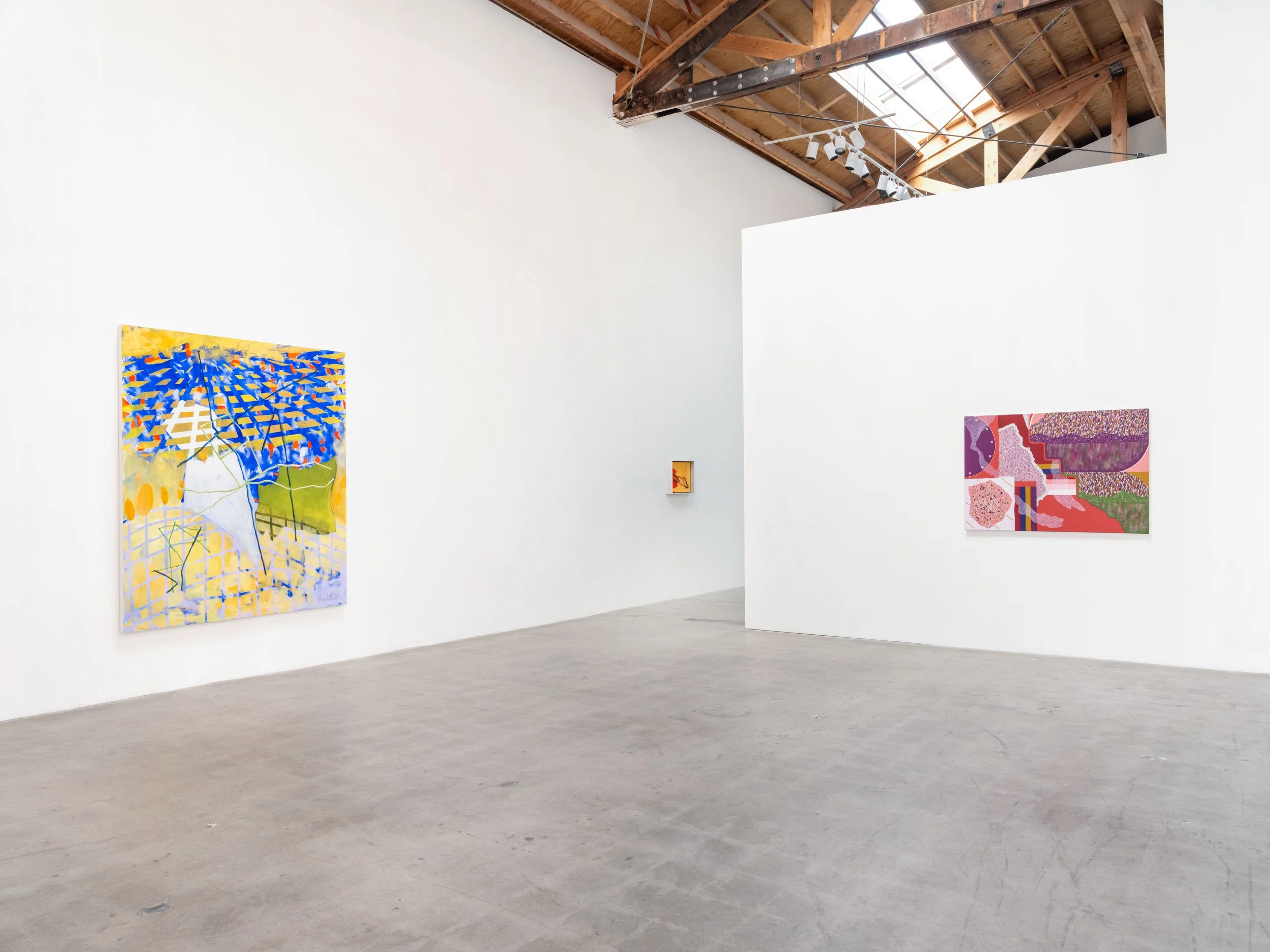
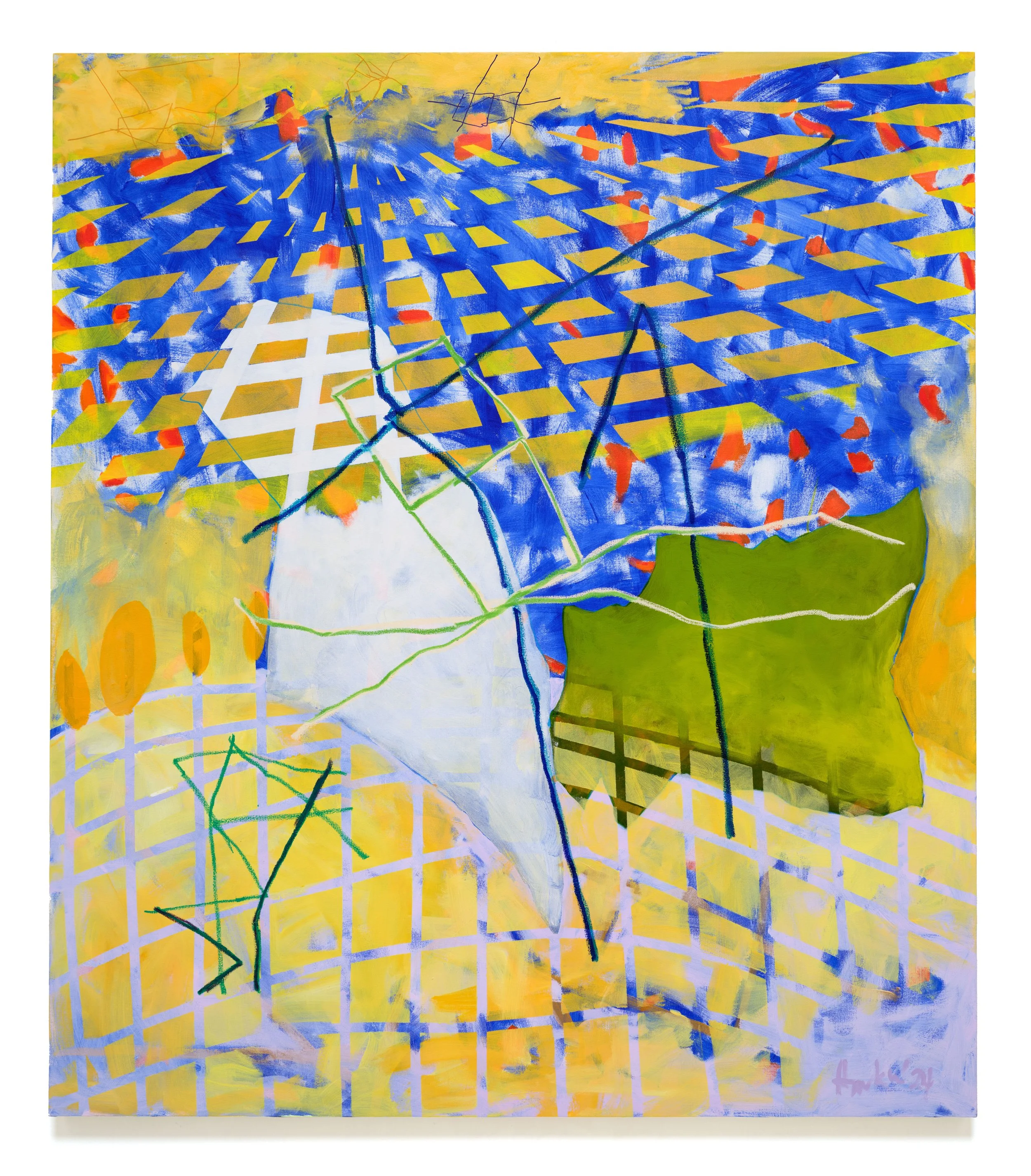
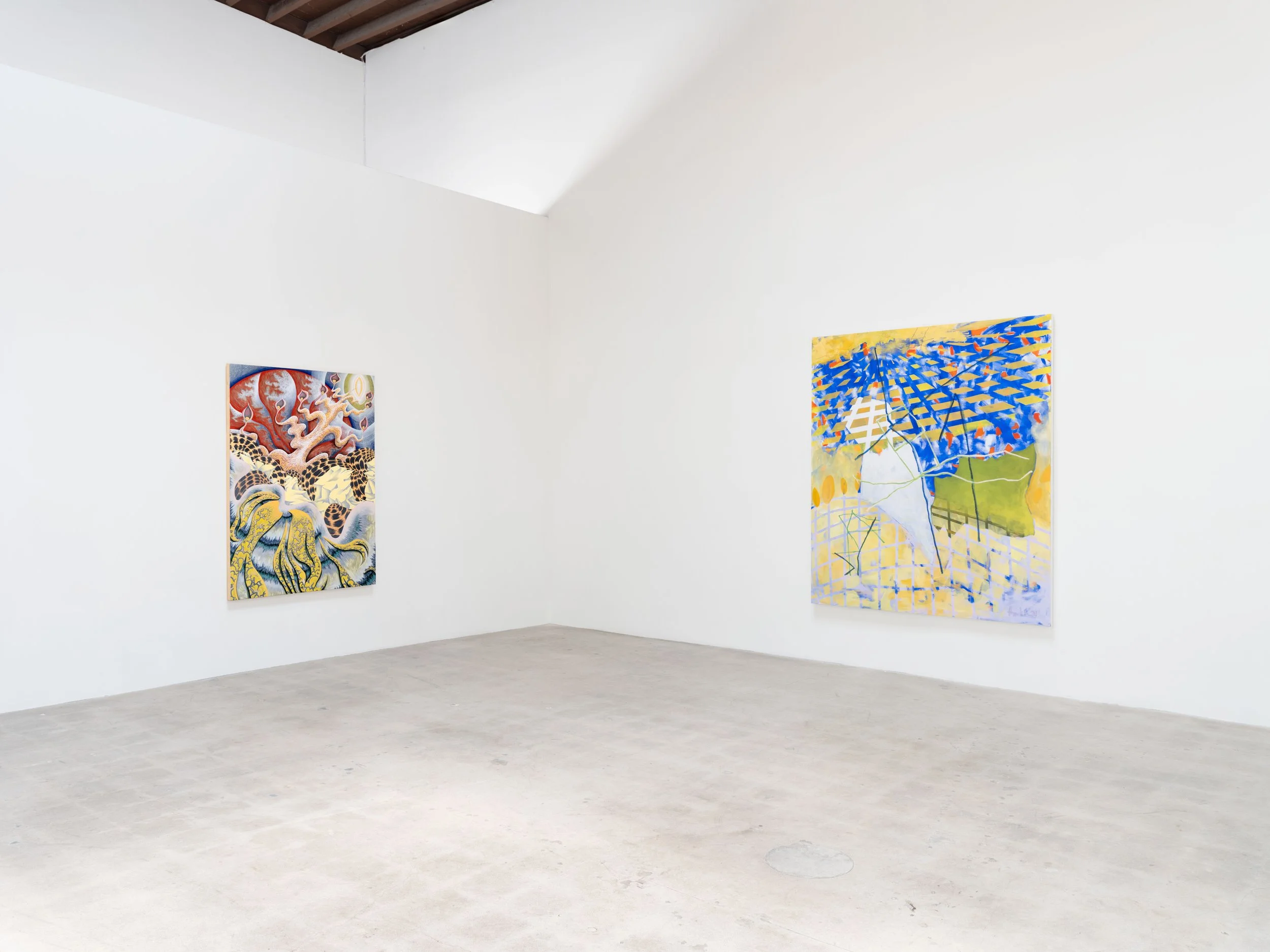
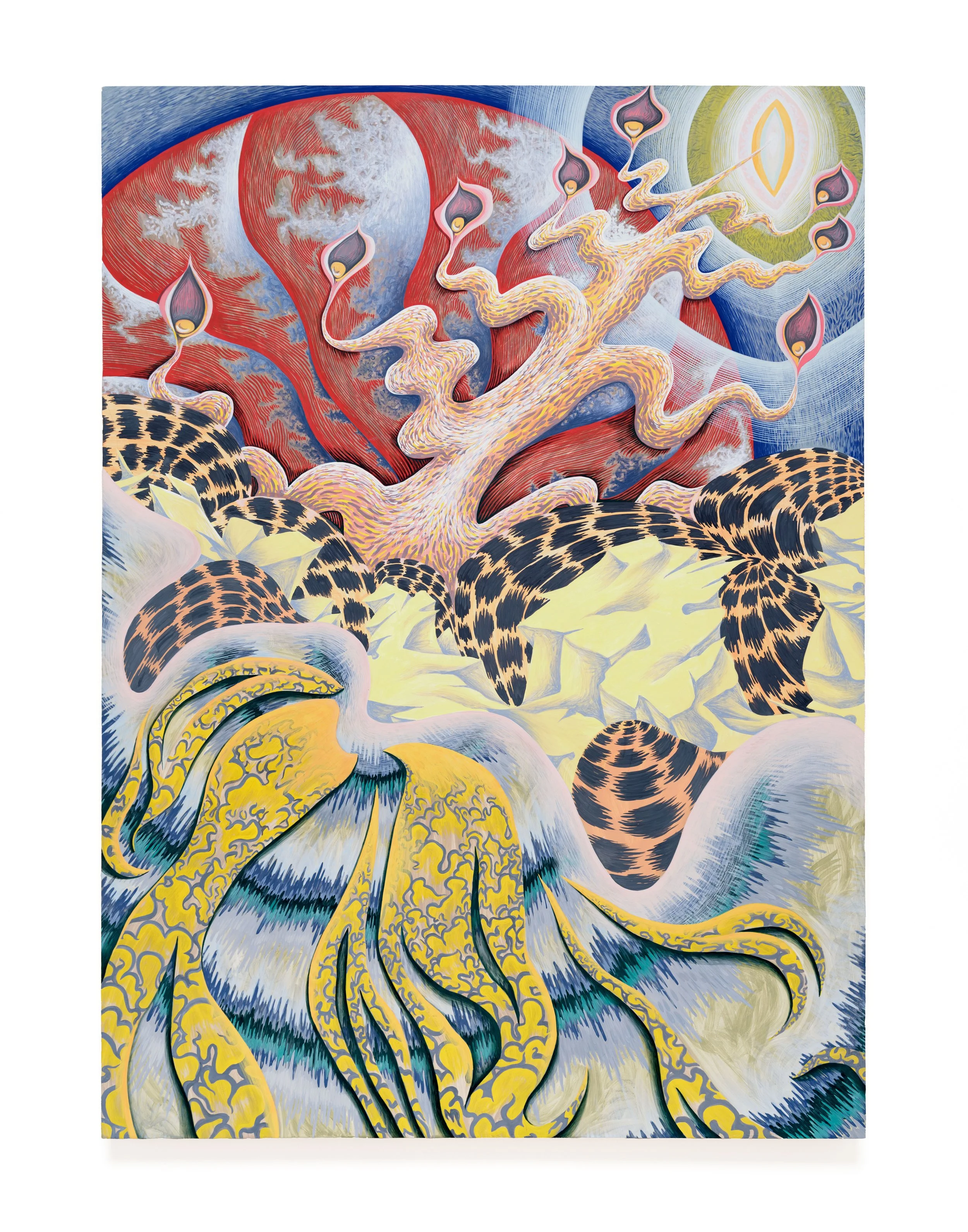
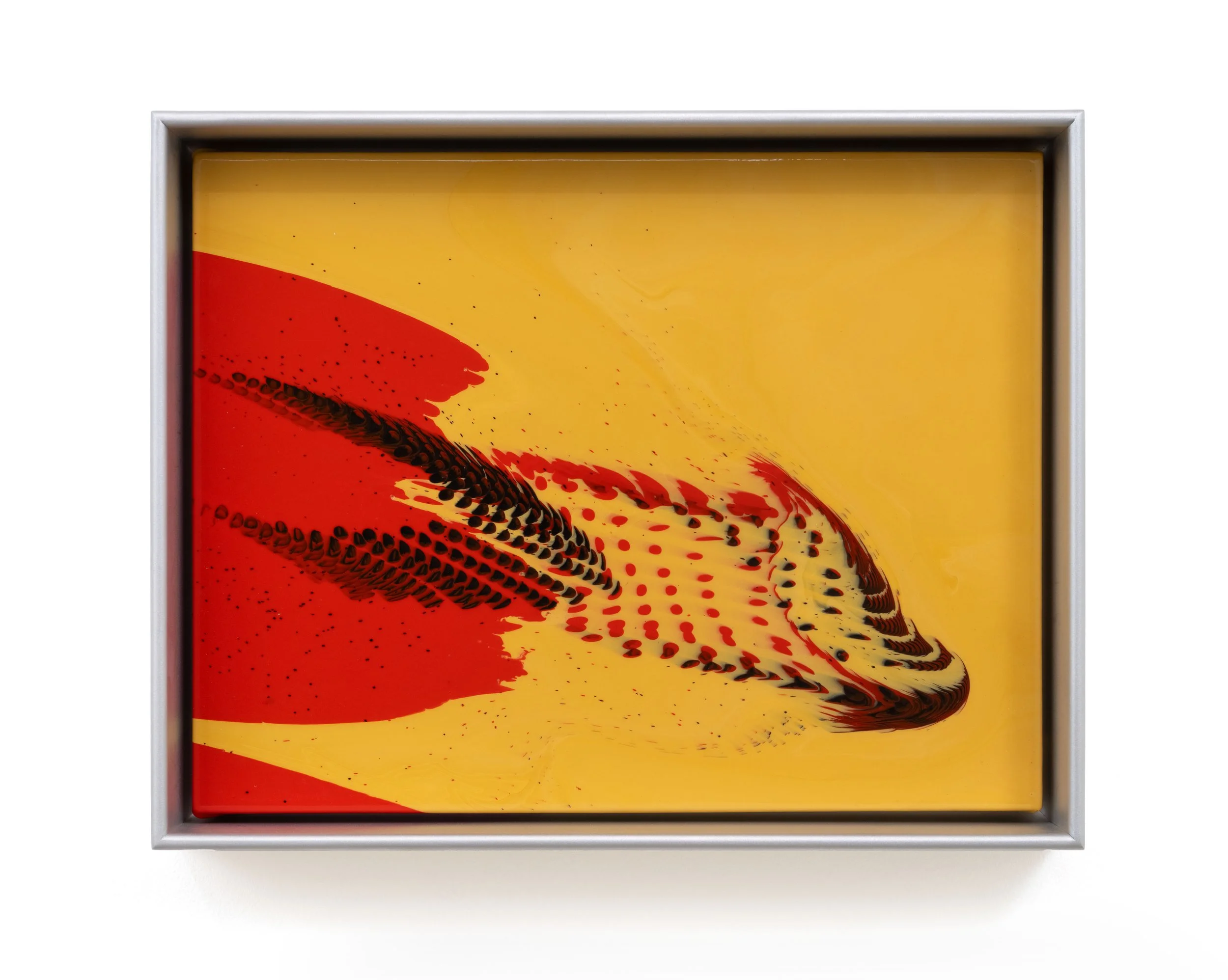
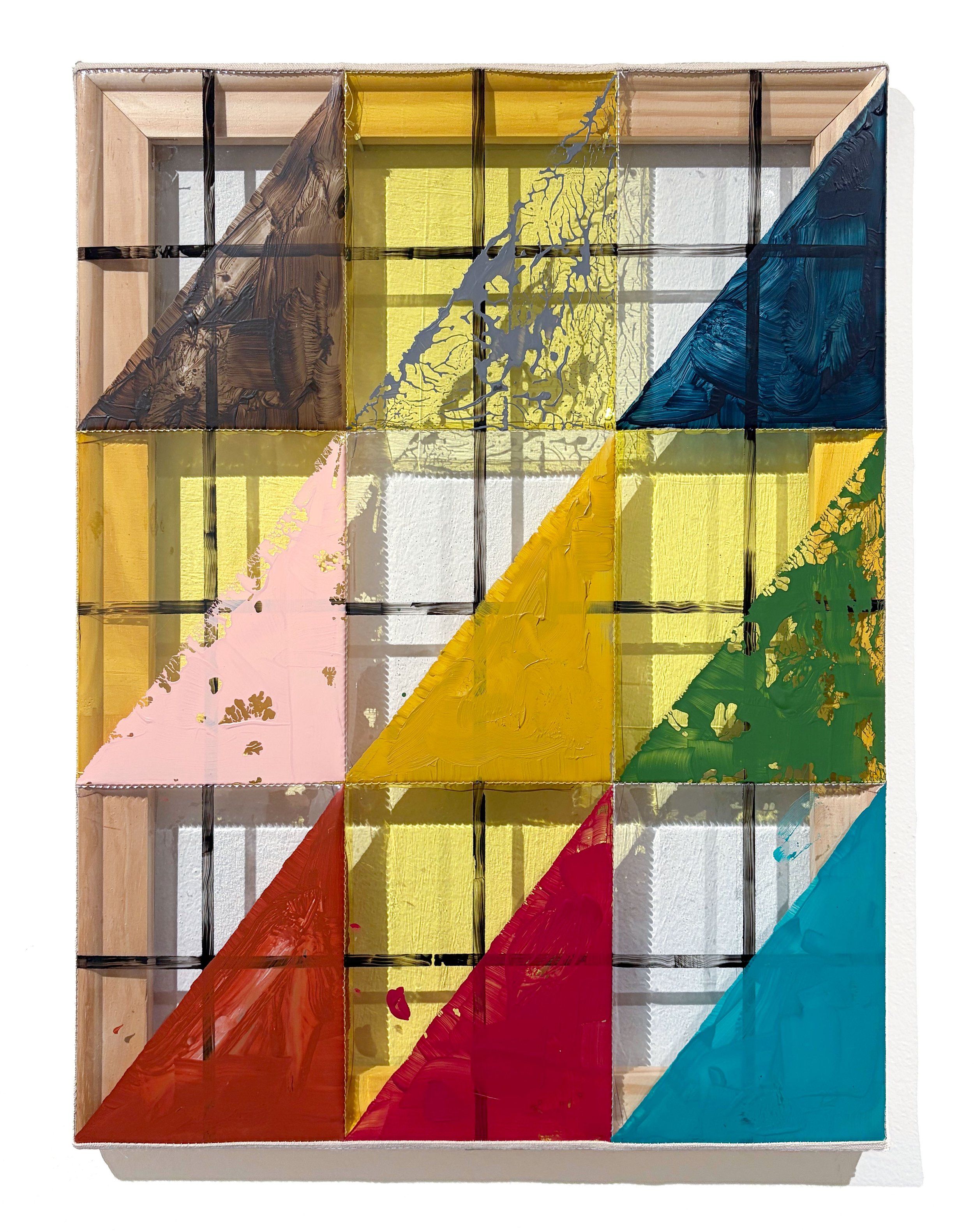
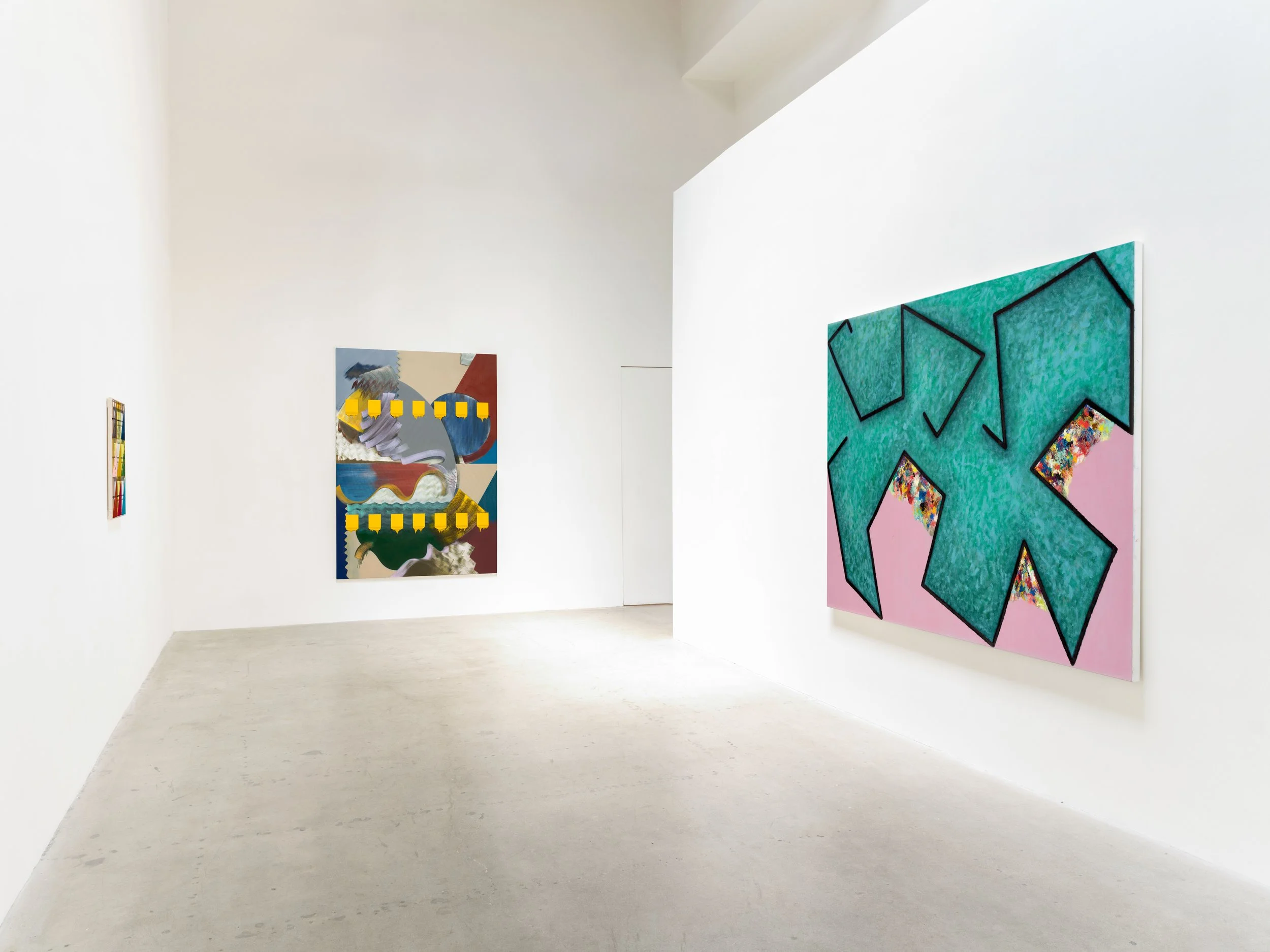
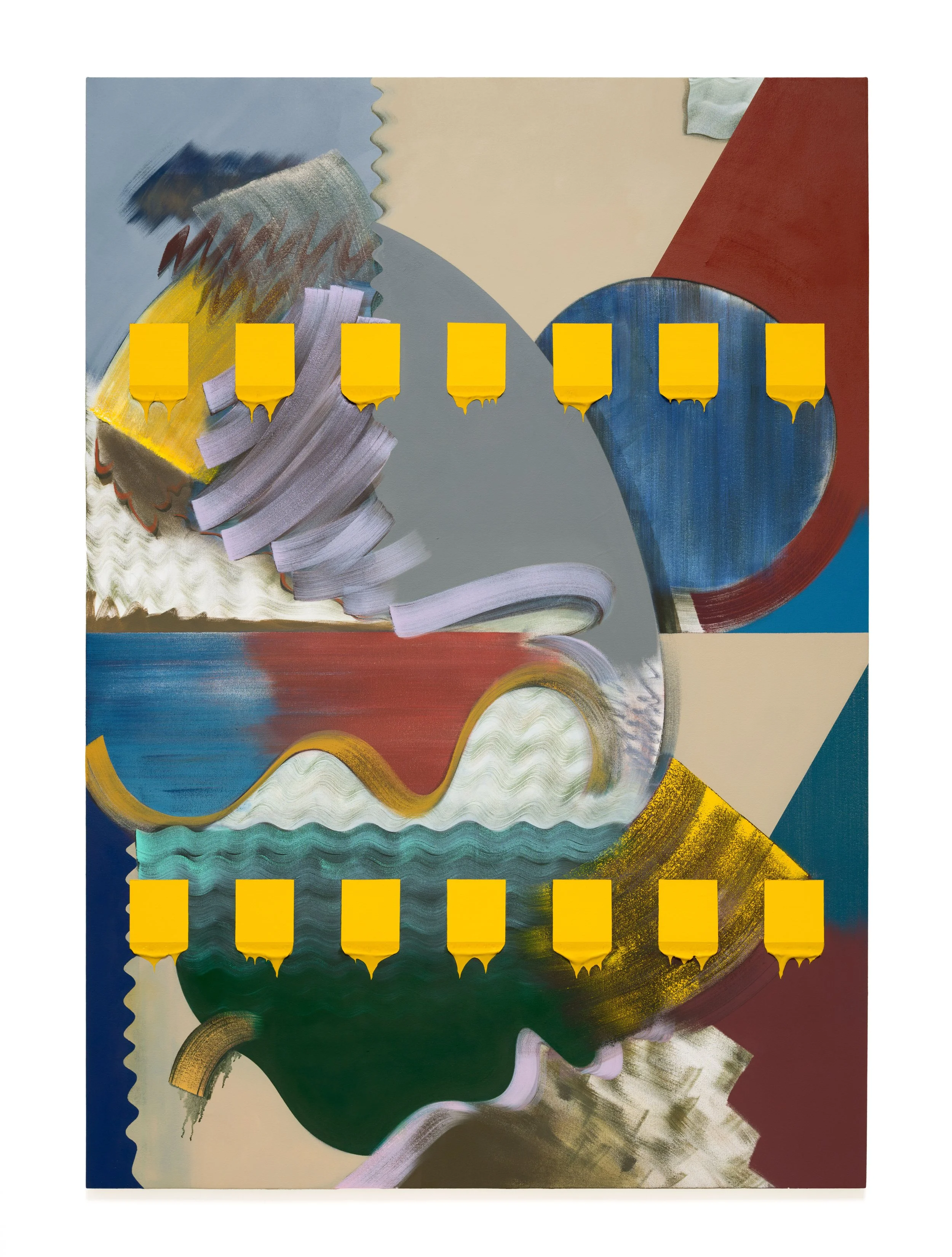
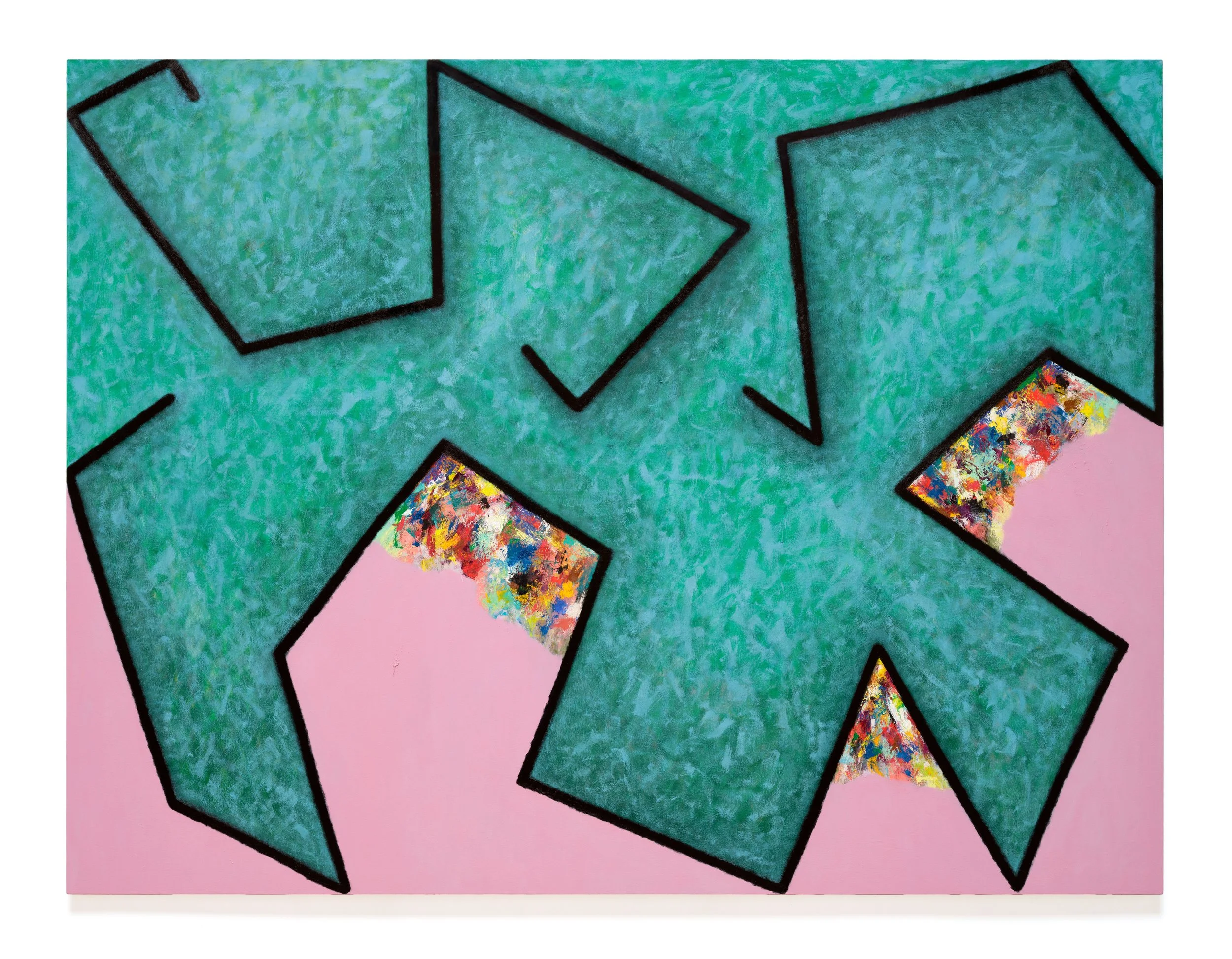
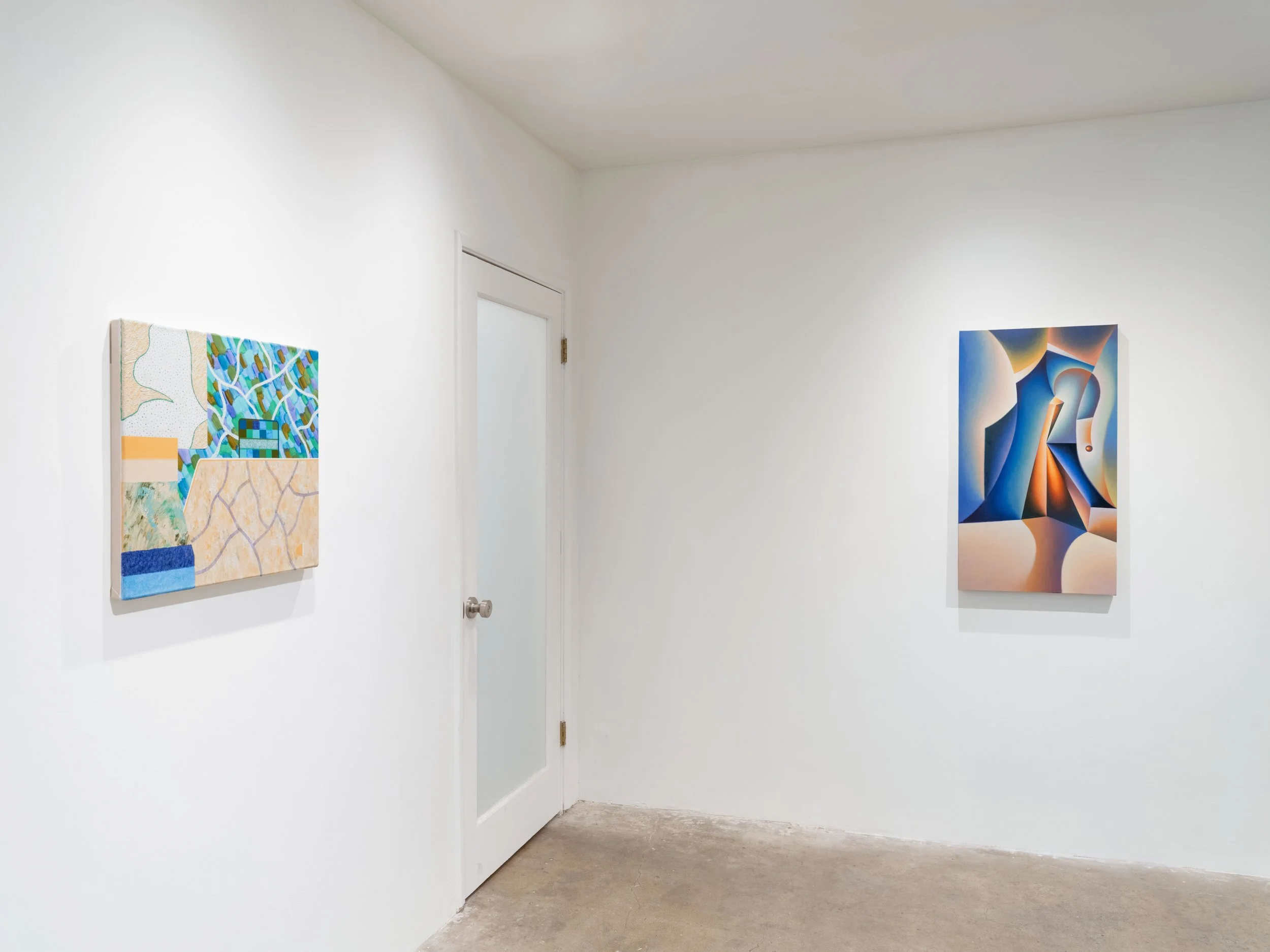
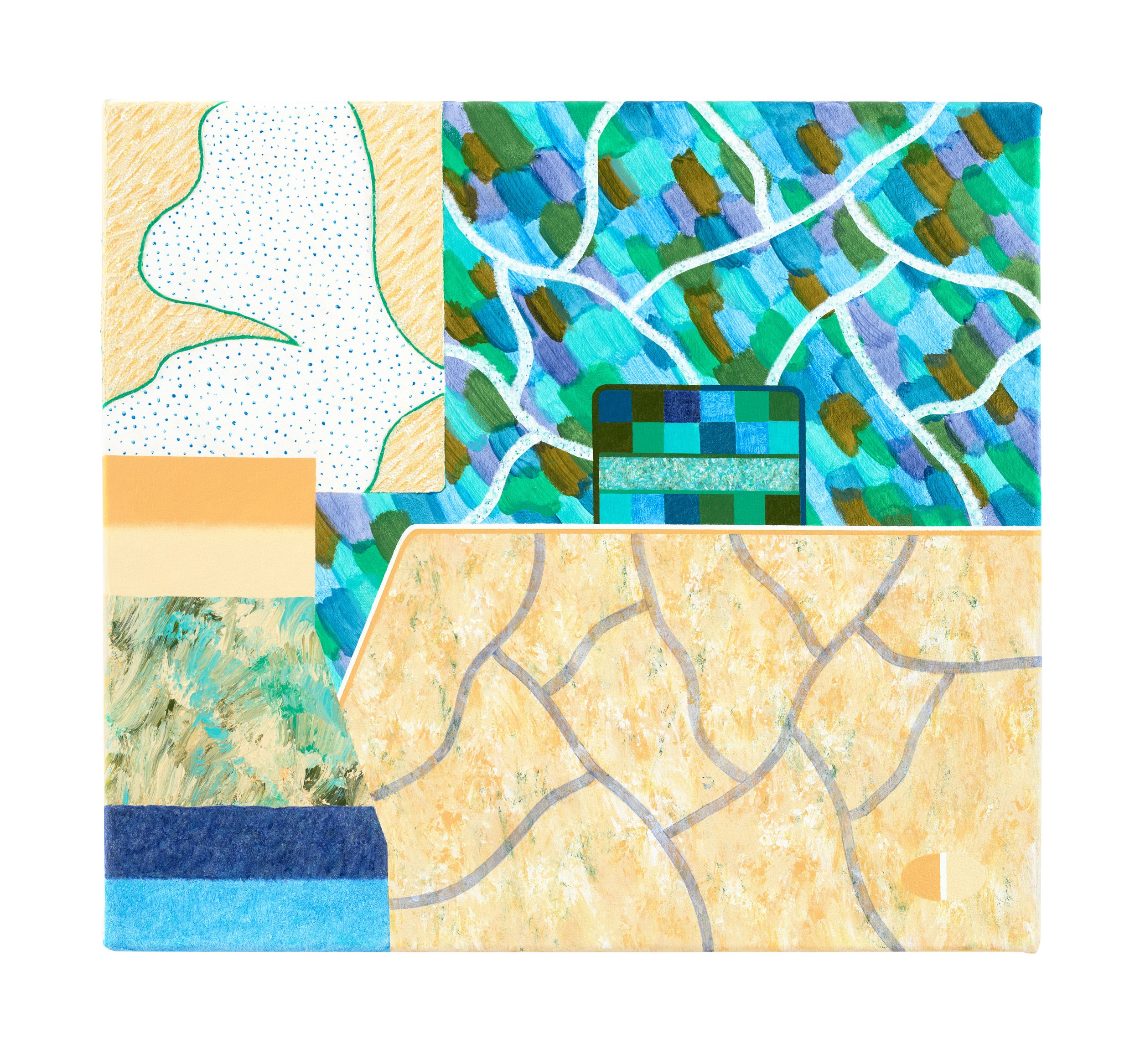
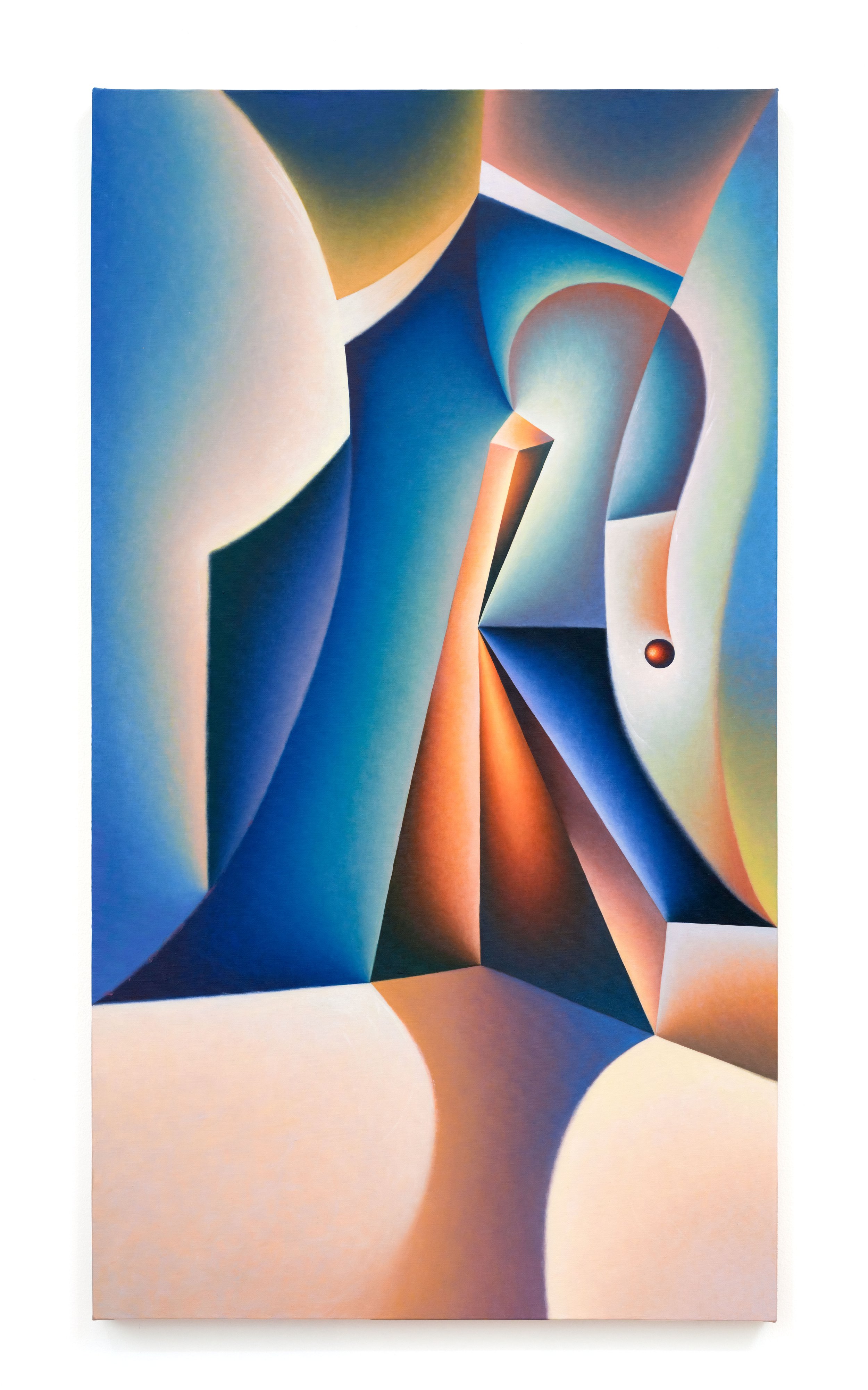
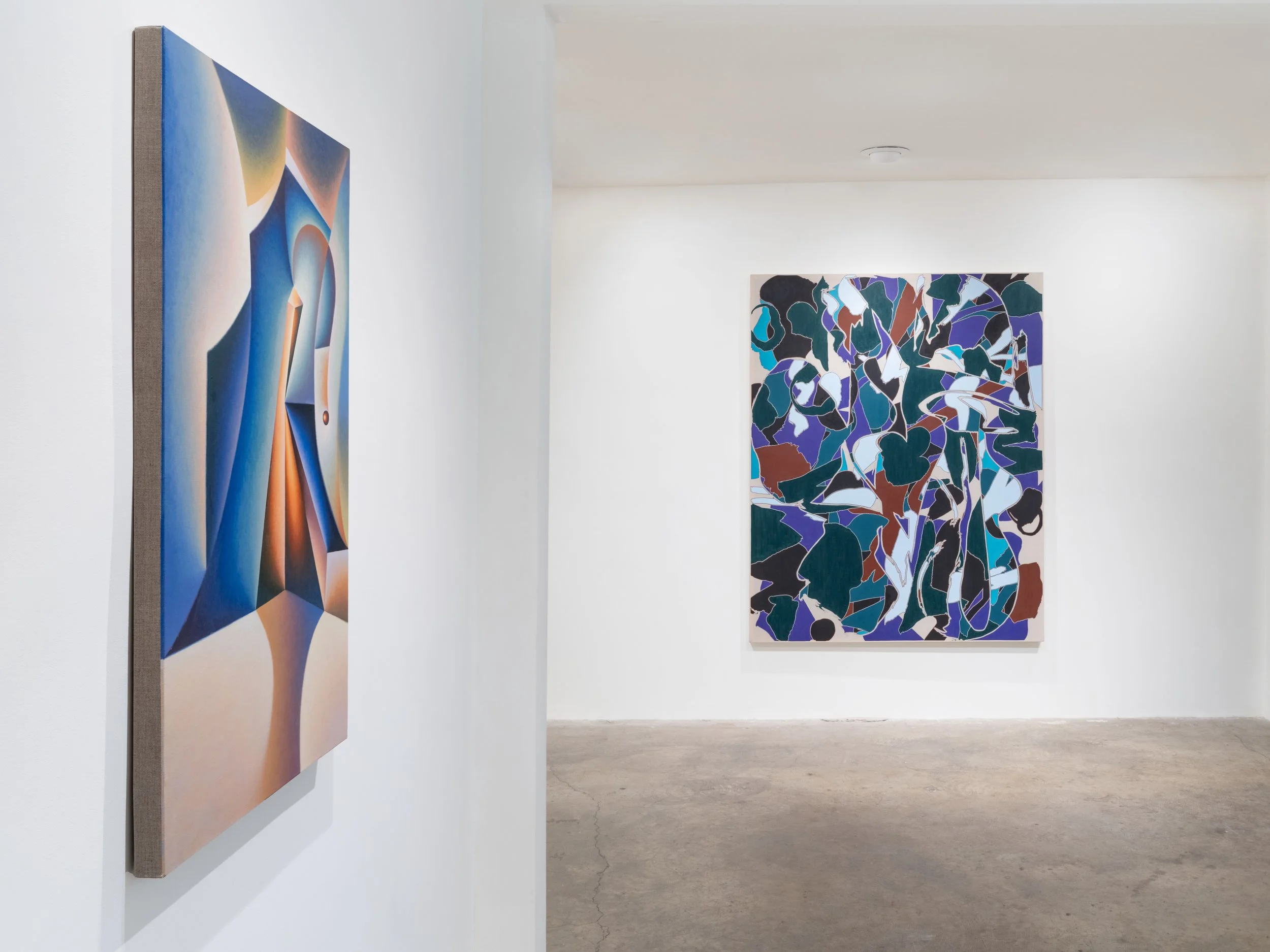
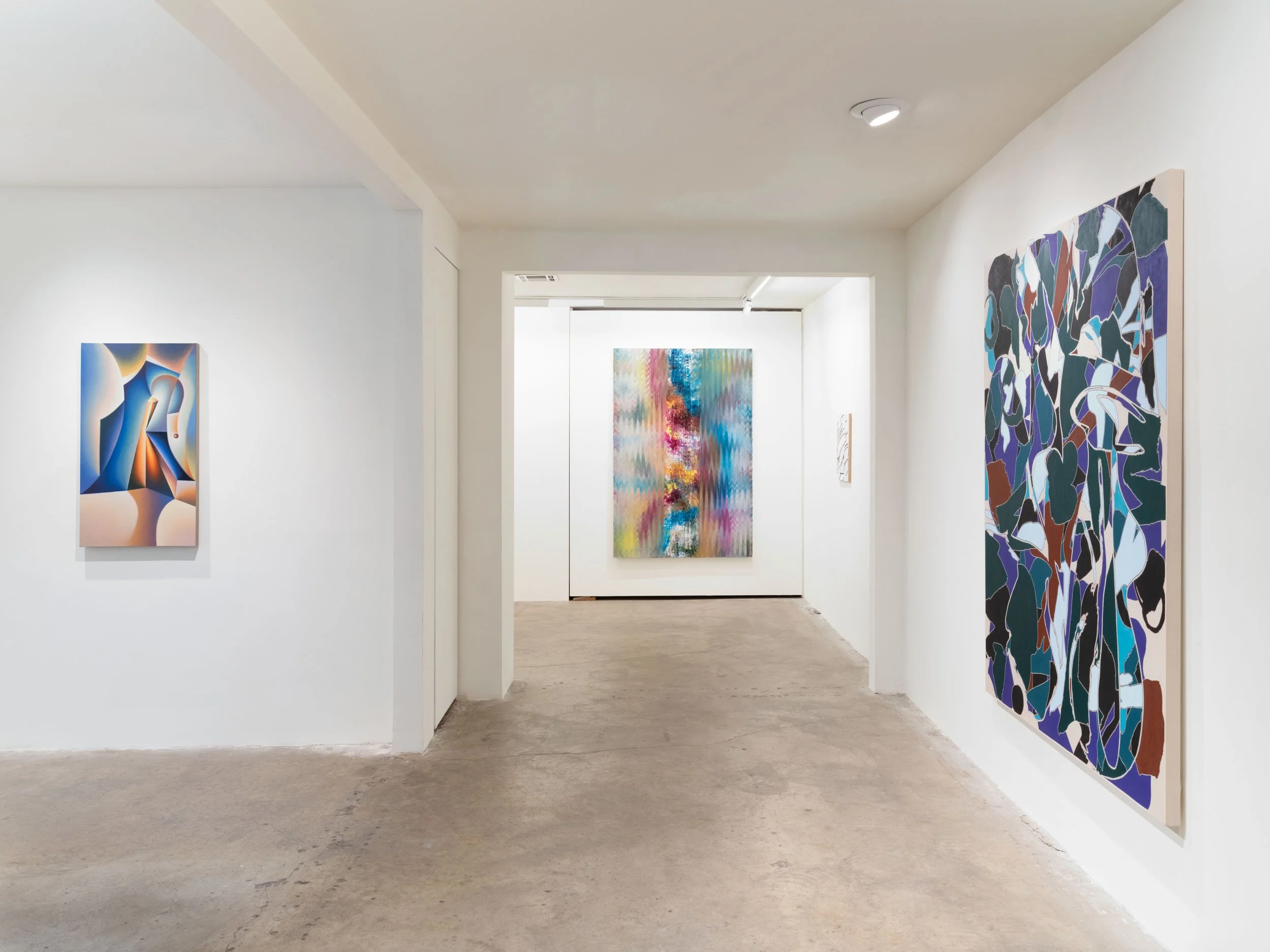
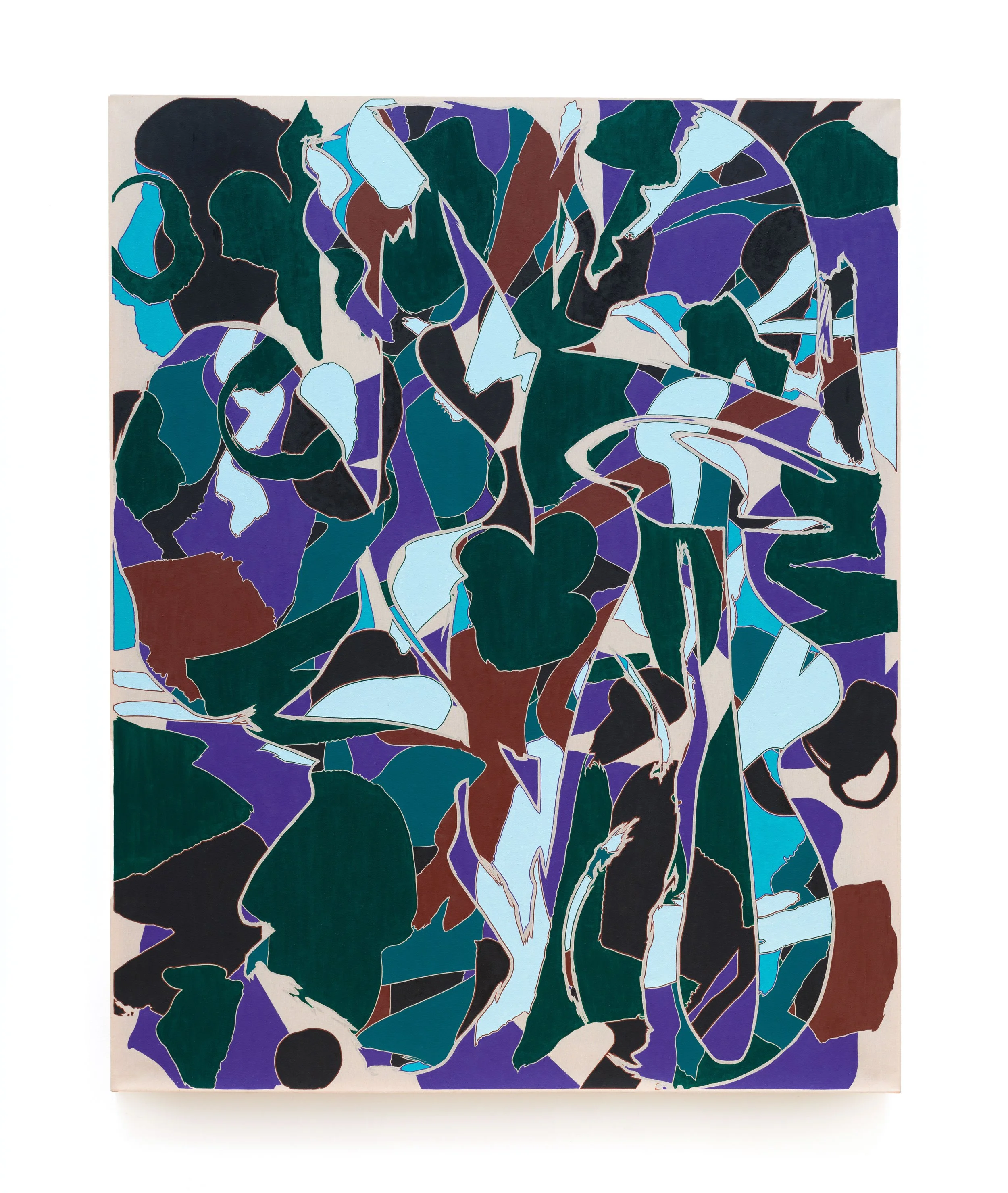
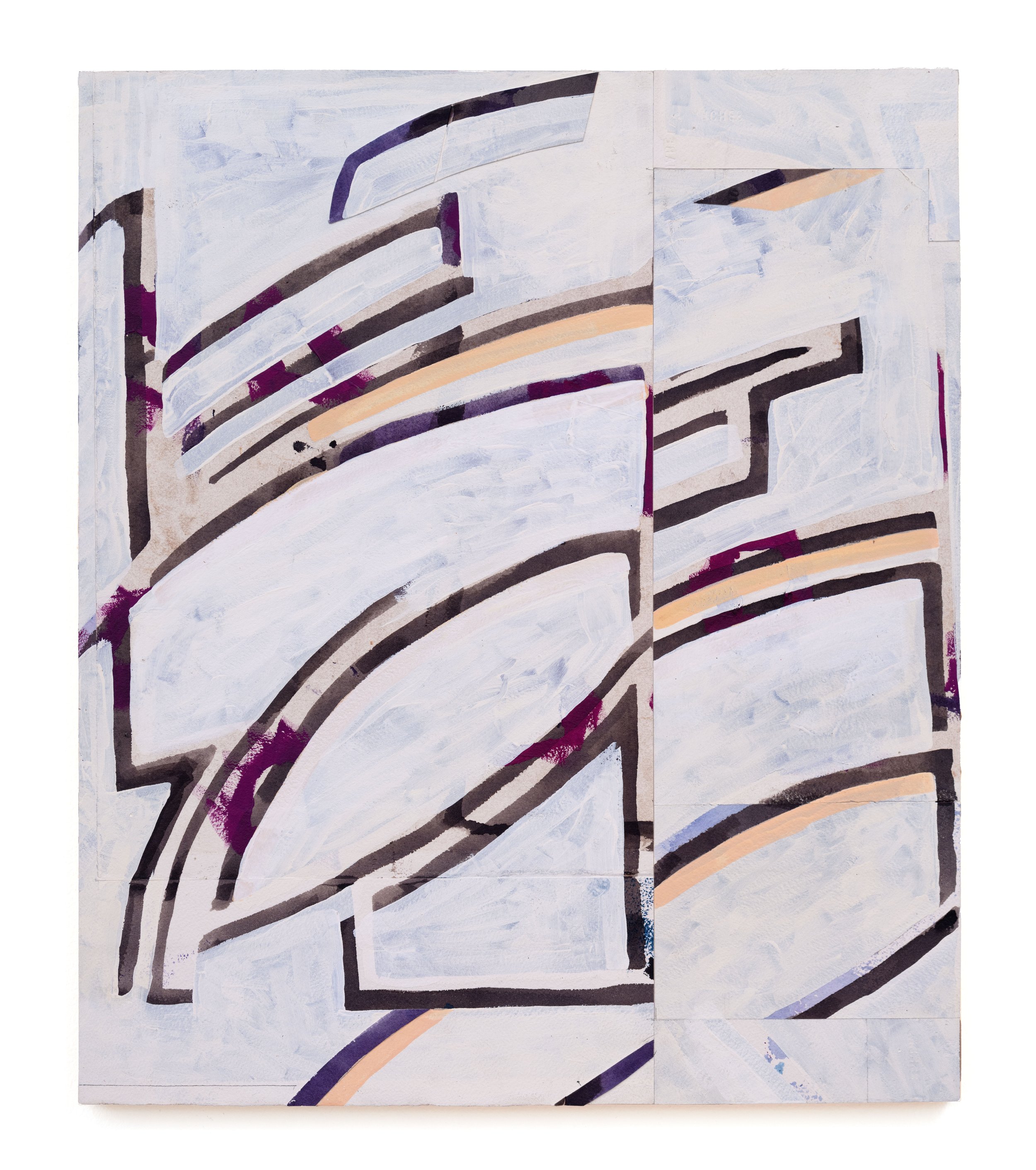
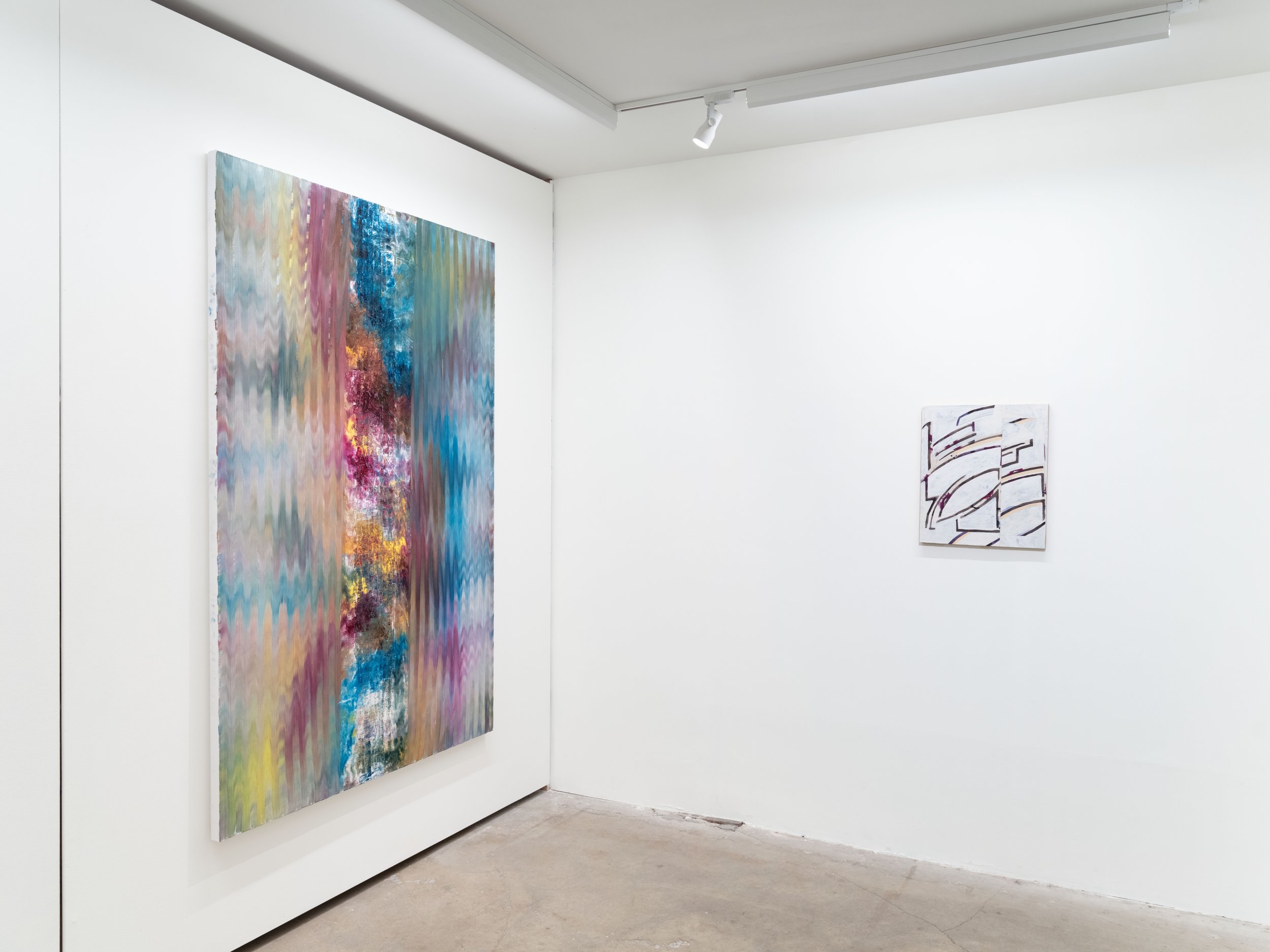
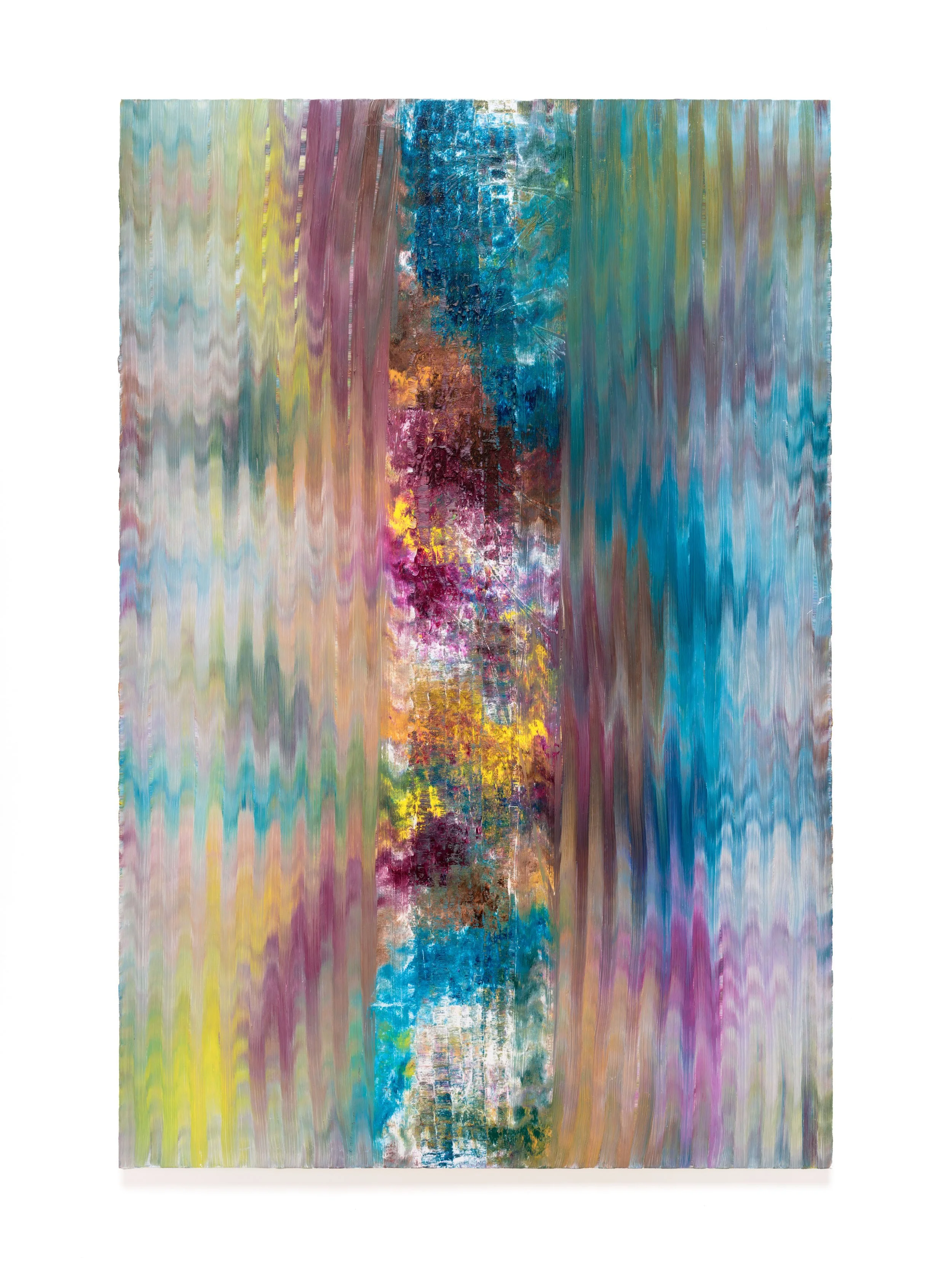
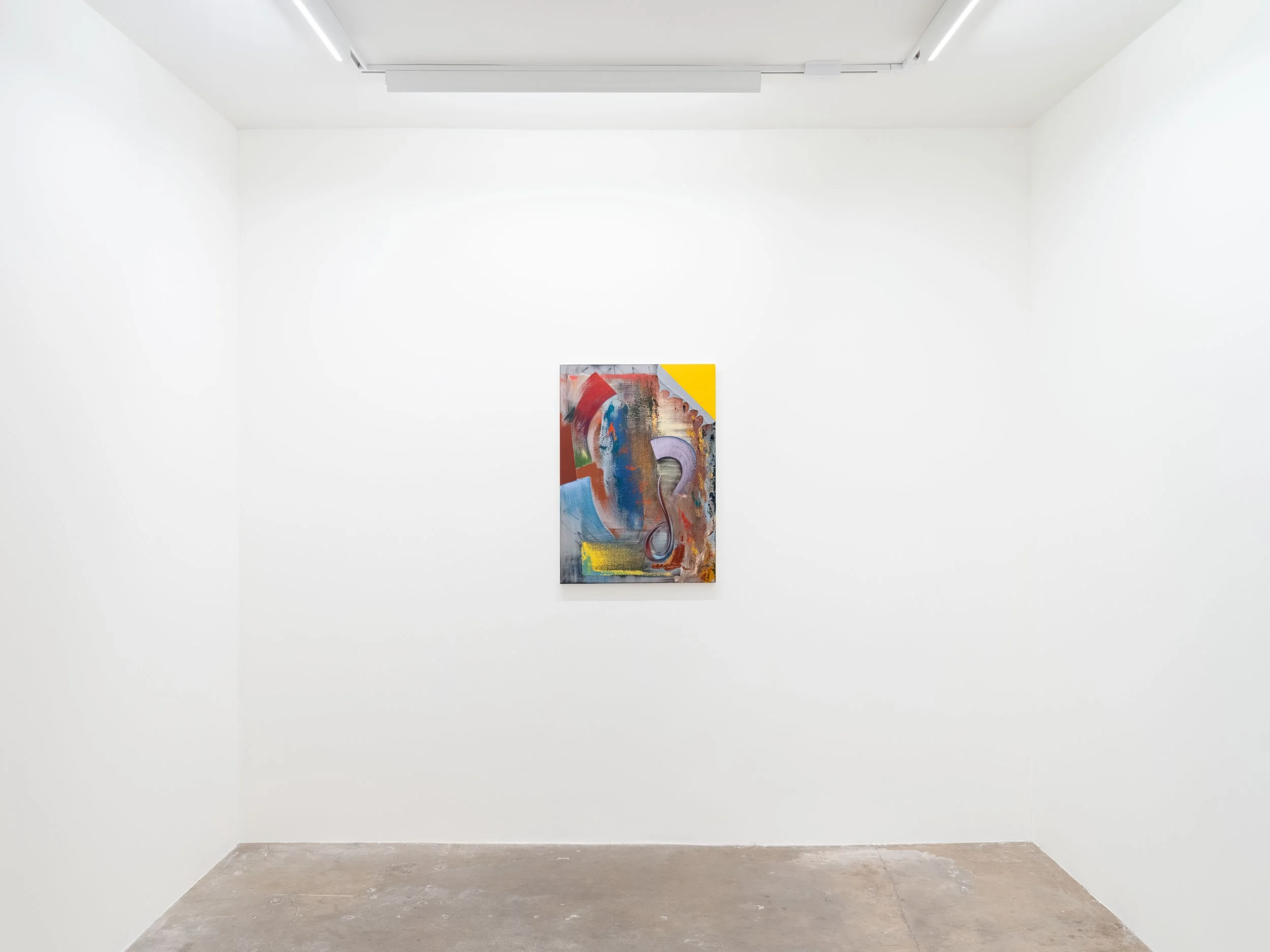
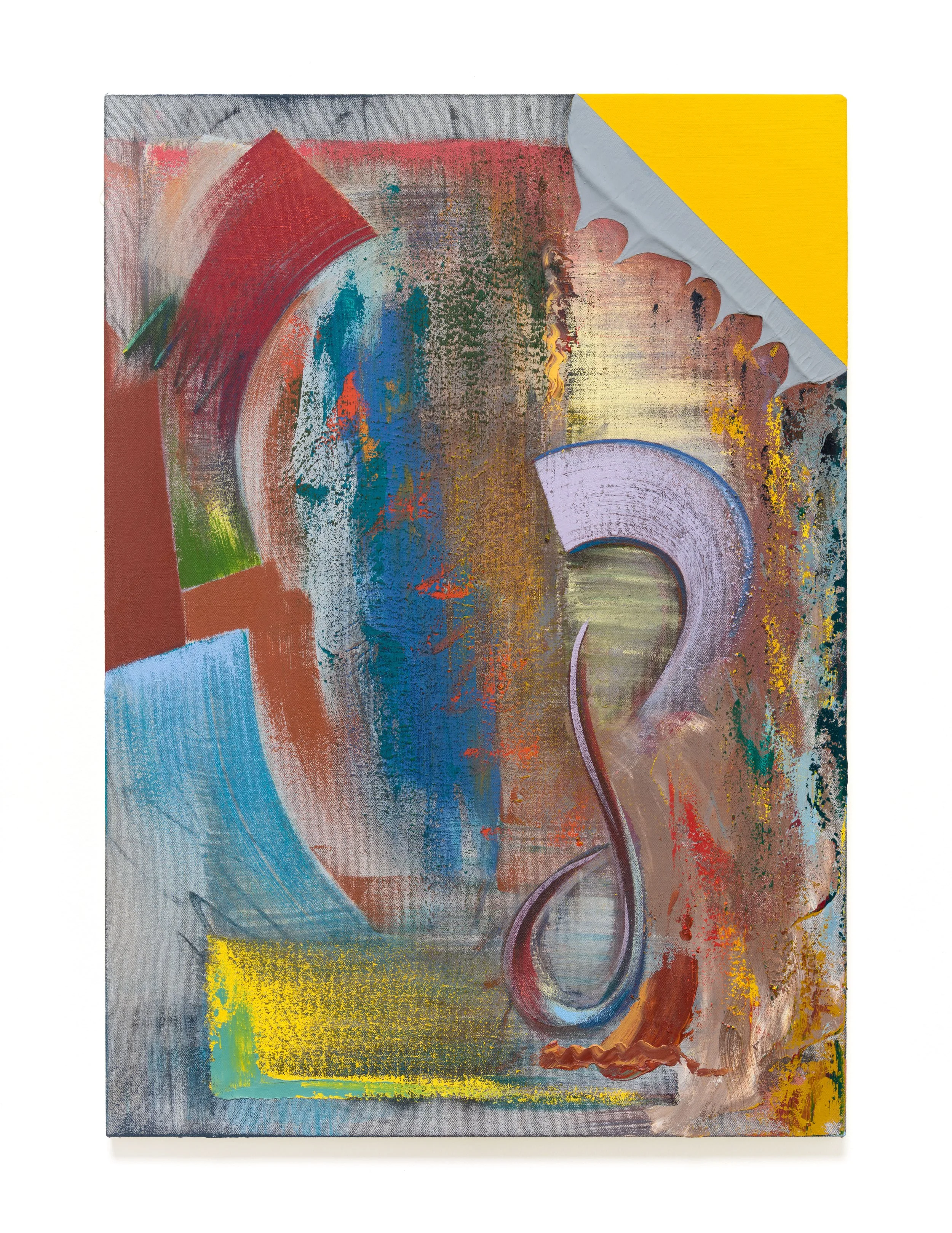
Moskowitz Bayse is pleased to present Quiet Rules, with paintings by Tauba Auerbach, Lecia Dole-Recio, Franziska Goes, Cynthia Hawkins, Angela Heisch, Christopher Iseri, Justin Margitich, Allison Miller, Dianna Molzan, Alex Olson, Zak Prekop, and Richard Tinkler. The exhibition brings together twelve artists who use systems and structures as framework to seek expression through abstraction. Grids, repetitions, chromatic sequences, material protocols, and diagrammatic logics recur throughout the exhibition as an armature from which expression prevails. For these artists, the rule is not the subject. Instead, it is a kind of emotional architecture, where restraint becomes a catalyst and order makes room for nuance.
In Minimalism and Conceptualism, the system is the work. In Sol LeWitt’s wall drawings or Donald Judd’s progressions, expression exists only insofar as it is generated by the governing logic; the artwork becomes a proof of its own method, complete and closed. Quiet Rules offers a different premise. While varied, these approaches are neither purely systematic nor purely intuitive. Every mark is discovered without memory, precedent, or restraint. Somewhere between rule and impulse, structure supports painterly expression, leading the artist into conversation with the painting itself and not its founding principles.
Rather than treat abstraction as improvisation, the artists in this exhibition understand it as a negotiation. A rule is set, then bent. A pattern is established, then troubled. Color is measured, then allowed a moment of drift. Surfaces carry the traces of method, yet they resist becoming merely procedural. It is striking how much the viewer can sense: the tension between precision and impulse, the quiet hum of decisions made and unmade, the subtle life that emerges when a system is pushed over the edge. The paintings do not seek clarity of message, but clarity of means, and from that clarity comes a distinct richness.
These paintings are neither proof nor improvisation. They understand structure as a form of attention: a way of slowing the hand, sharpening the eye, and granting expression a form in which to appear.
Somewhere between the rule and its undoing, the paintings find force.